Food-Safe Finishes for Wooden Toys: Water-Based Paint, Wax & EN71-3 Explained
When sourcing wooden toys, choosing the right finish is about more than appearance. For toy brands, importers, and retailers, wooden toy coating safety directly affects product compliance, customer trust, and long-term brand reputation.
Water-based paints and natural waxes are popular choices, but are they automatically safe for children who frequently put toys in their mouths?
With over 20 years of wooden toy manufacturing experience, Forestoy understands that safe finishes require careful material selection, controlled production, and verified laboratory testing.
1. What Makes a Wooden Toy Finish Safe?
A child-safe wooden toy finish should meet three essential requirements:
Chemical safety
Restricted substances must remain within applicable regulatory limits.
Durability
Coatings should resist normal handling, rubbing, and wear without excessive peeling or flaking.
Age-appropriate safety
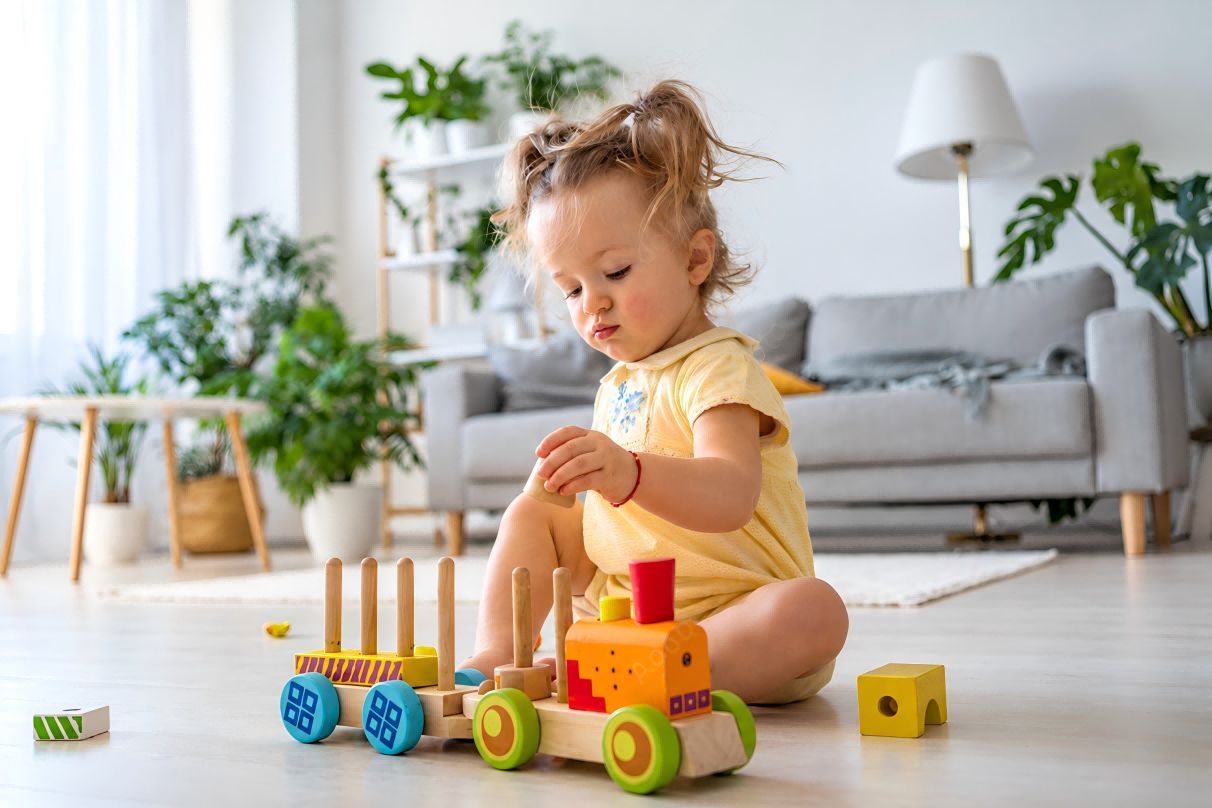
Finishes must be suitable for the toy's intended age group and foreseeable use, including mouthing.
Importantly, food-safe and toy-safe are not interchangeable certifications. A coating suitable for food-contact surfaces is not automatically compliant with toy regulations, and EN71-3 compliance alone does not establish food-contact suitability.
For manufacturers, the goal is to select finishes that satisfy the intended product's actual safety requirements.
2. Water-Based Paint vs. Natural Wax: Which Is Better?
Both water-based paints and natural waxes can be appropriate for wooden toys, provided their formulations and finished applications are properly evaluated.
| Feature | Water-Based Paint | Natural Wax |
|---|---|---|
| Appearance | Colorful, consistent finish | Natural wood appearance |
| Best applications | Educational toys, puzzles, blocks | Natural-finish wooden toys |
| Main advantage | Design flexibility | Preserves wood texture |
| Key concern | Pigments, additives, curing | Wax composition, wear resistance |
| Safety requirement | Applicable toy testing | Applicable toy testing |
Water-based paint is widely used in modern wooden toy manufacturing because it supports consistent colors and can reduce reliance on solvent-based formulations.
Natural wax appeals to brands seeking minimalist, eco-conscious designs. However, natural ingredients do not automatically guarantee safety. Additives, fragrances, pigments, and application quality still matter.
For both options, buyers should request test reports covering the actual finished materials—not simply accept a supplier's claim of being non-toxic.
3. EN71-3 Explained: What Toy Importers Must Know
EN71-3 is a key European toy safety standard that evaluates the migration of certain chemical elements from toy materials.
Under the European toy safety framework, the standard addresses 19 elements, including lead, cadmium, mercury, and chromium.
For example, the migration limit for lead in Category III scraped-off toy materials is 23 mg/kg, while the limit for cadmium is 17 mg/kg under the applicable updated EU limits. These are migration limits, not total concentration limits. Buyers should verify the latest applicable requirements.
EN71-3 testing classifies toy materials into three categories:
Category I
Dry, brittle, powder-like, or pliable materials.
Category II
Liquid or sticky materials.
Category III
Scraped-off materials, including many surface coatings.
For wooden toy importers, this means testing should cover relevant accessible finishes and other applicable materials.
EN71-3 compliance does not mean a toy is edible, nor does it replace EN71-1 mechanical safety or EN71-2 flammability assessments.
4. How Forestoy Controls Wooden Toy Finish Safety
Founded in 2003, Forestoy has developed more than 1,500 wooden toy products, combining manufacturing expertise with systematic quality control.
Material selection and product design
Forestoy prioritizes responsibly sourced wood and child-appropriate finishes. Our wooden toy design and development services incorporate safety evaluations from the prototype stage.
Controlled painting and finishing
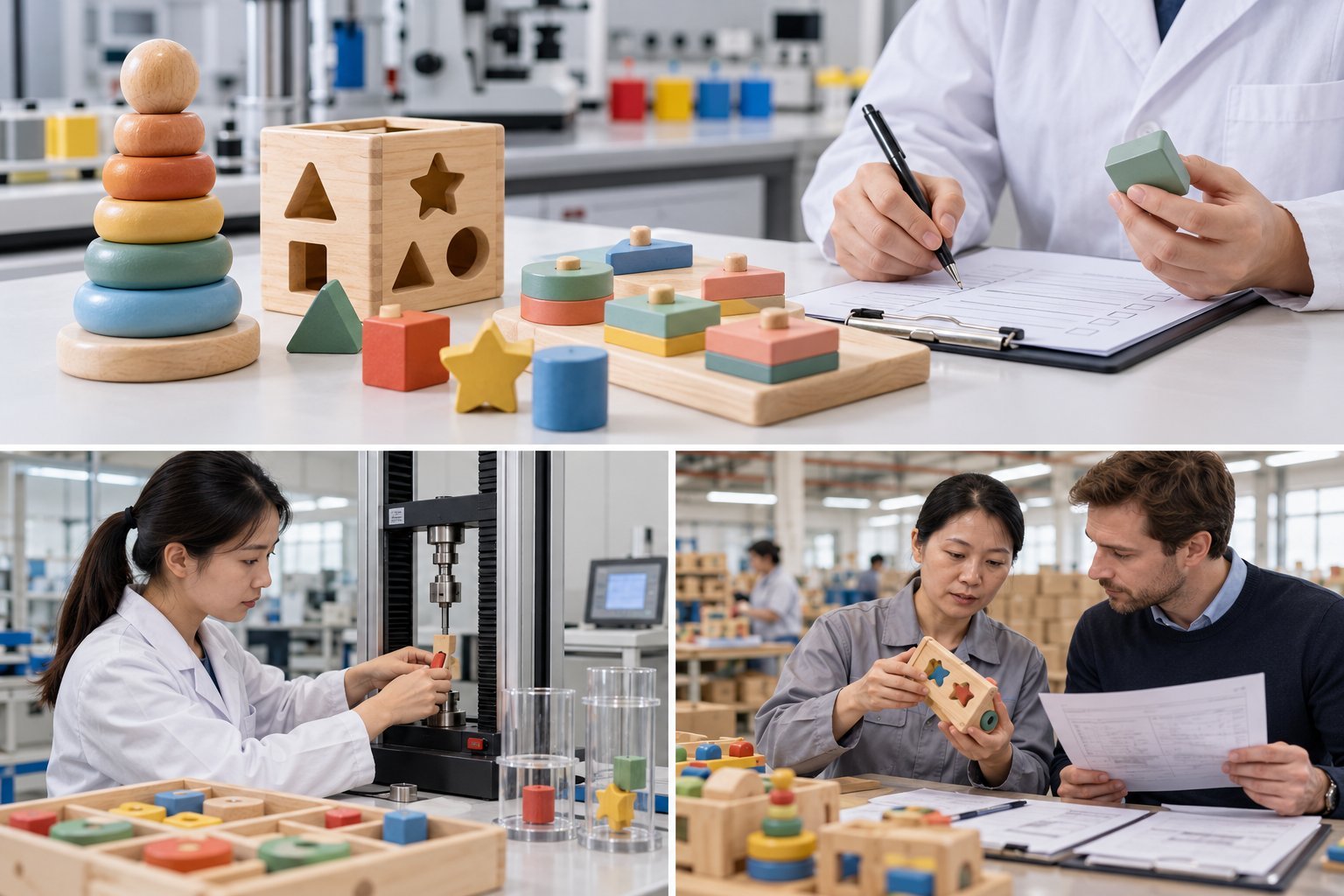
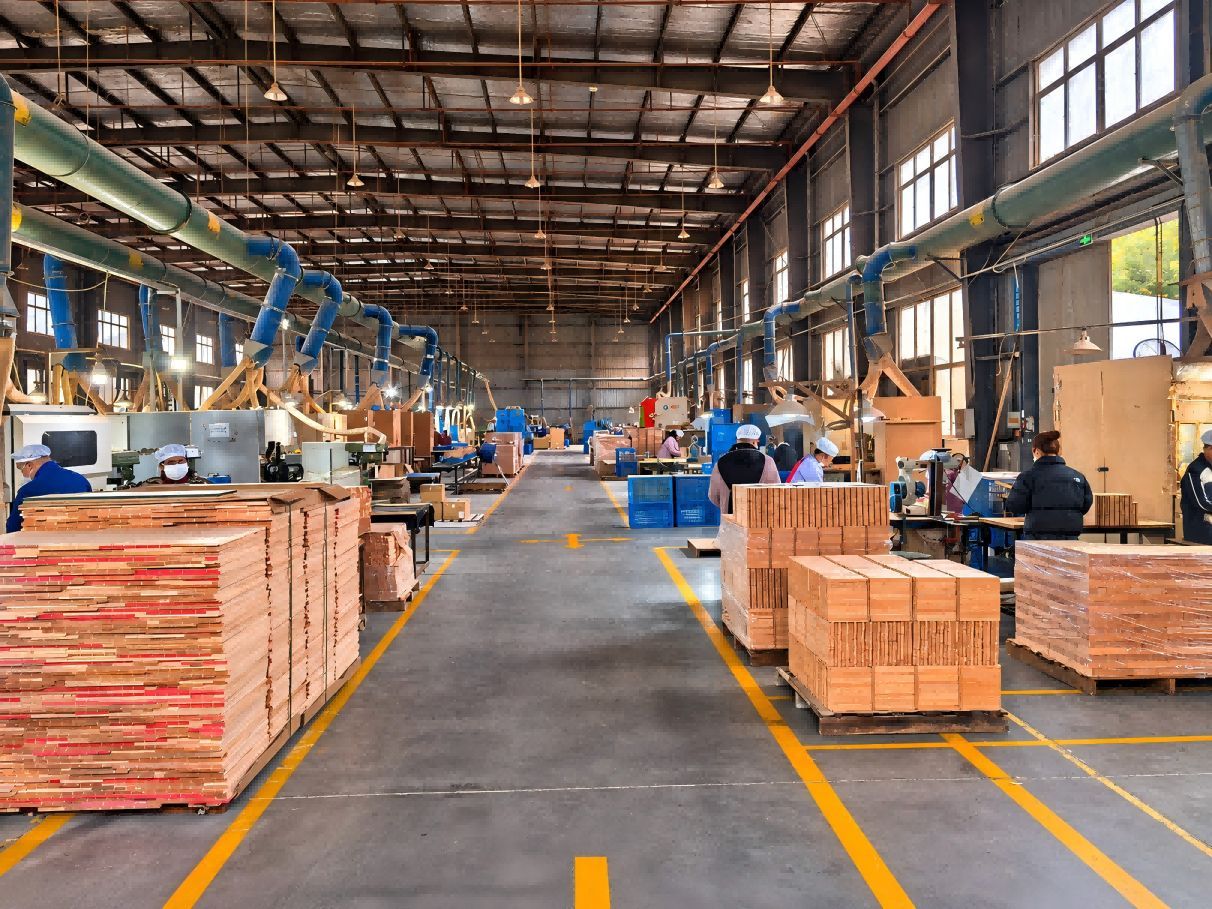
Our wooden toy manufacturing process includes sanding, painting, in-line inspection, and final quality checks to help maintain consistent finish quality.
In-house screening and third-party testing
Our factory uses XRF spectrometers and other testing equipment for preliminary material assessments. Independent laboratory testing provides the evidence needed to verify applicable safety requirements.
Sustainable manufacturing
Forestoy combines FSC-certified sourcing with solar power, centralized dust collection, and wastewater treatment to support responsible production.
5. A Practical Finish Safety Checklist for B2B Buyers
Before approving a wooden toy supplier, request the following documentation:
- Finish specifications and relevant coating supplier information.
- EN71-3 reports covering applicable finished toy materials.
- EN71-1 and EN71-2 assessments where required.
- Evidence of coating adhesion, durability, and production consistency.
- Batch traceability and quality inspection records.
- Additional ASTM F963 and CPSIA compliance documentation for the US market.
A reliable manufacturer should explain not only which coating is used, but also how its safety and consistency are verified.
Explore Forestoy's custom wooden educational toys and wooden games manufacturing solutions to see how safe finishes support different product categories.
Partner with Forestoy — Build Safer Wooden Toys for Your Market
Your customers expect safe products. Your business needs a manufacturer that can support those expectations with practical engineering, reliable production, and documented quality control.
With over 20 years of experience, Forestoy supports international brands, importers, and distributors through OEM/ODM development, material selection, safety testing coordination, and private-label manufacturing.
Planning your next wooden toy collection?
Contact Forestoy to request our latest wooden toy catalog, available factory audit documentation, and sample safety testing information. Our team can help you select suitable finishes and develop market-ready wooden toys for Europe, the USA, and beyond.