How to Choose a Wooden Toy Factory in China: Quality, Safety and Production Checklist
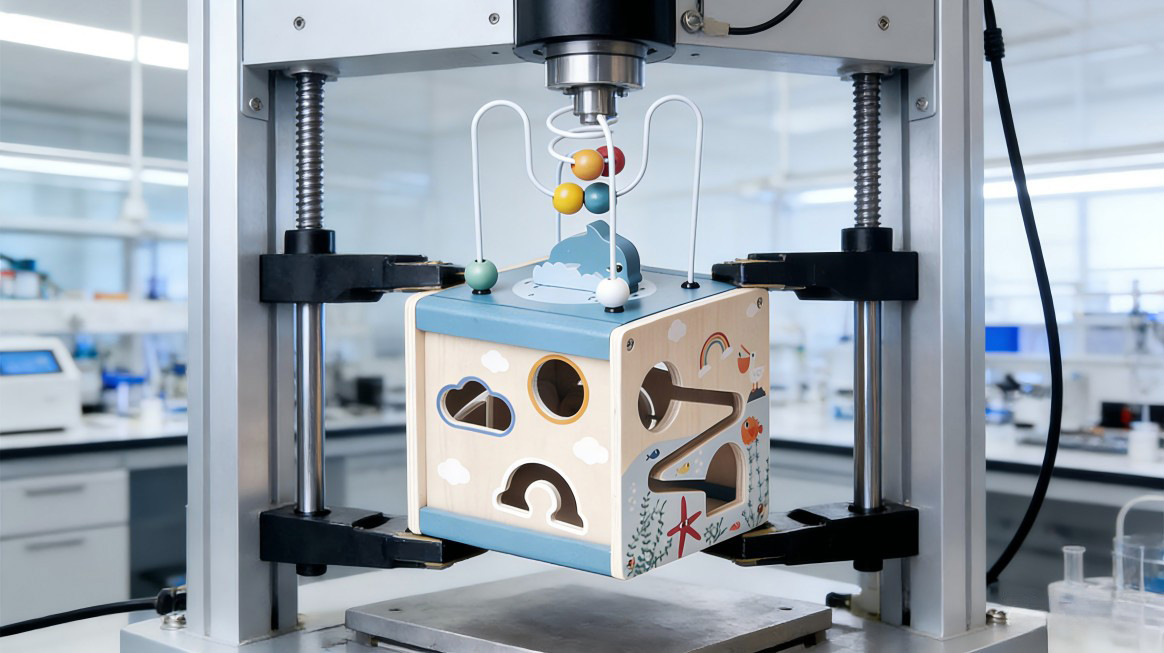
Choosing a wooden toy factory China suppliers all claim to be is easy. Choosing one that still passes audits in year three of the relationship is the actual job. Wood is a natural material with batch-to-batch variation, most wooden toys target children under three, and the safety failures that destroy orders are invisible in a quotation PDF. They live on the factory floor, in the QC lab and in the paper trail of test reports. This guide gives sourcing teams a 12-point checklist for evaluating wooden toy factories in China, plus a verification routine for the claims behind it. It assumes you already know whether you need a factory or a trading company; if not, start with the supplier versus factory comparison, then the wider step-by-step sourcing guide, and come back here before you commit to a production partner. Wooden toys fail differently from plastic toys. Injection molding is a closed process; once the mold is approved, deviations are rare. Wood is the opposite. Moisture content varies by species, batch and season. Grain direction affects structural strength. Paint adhesion depends on surface preparation, humidity on the painting line and the curing time the factory is willing to give each batch. Two factories can quote the same product at the same price and deliver completely different safety outcomes, which is why the cheapest quote in a wooden toys factory shortlist is usually the most expensive decision in the project. The commercial stakes are large and getting larger. Statista puts global traditional toy and games revenue above the US$100 billion mark, and roughly 70% of the world's toy production takes place in China, a share the international toy industry press cites consistently. Within that output, wooden toys carry some of the strictest material and finish requirements of any category, because so many of them are age graded under three, where small parts, sharp edges and chemical migration limits bite hardest. The buyers who get this right treat factory selection as a sourcing discipline with evidence at every step. The buyers who get it wrong treat it as a price comparison. A European retail sourcing team we worked with told us about a 12,000-unit stacking toy order placed with the cheapest of three shortlisted factories. The paint failed the migration test for certain elements. The order was destroyed at port, and the Christmas season went with it. Take this list to your next supplier negotiation and ask each candidate to evidence every point. A capable wooden toy manufacturer in China answers within one reply. A weak one answers in generalities and offers to check with the production department. For the questions that come before this stage, the manufacturer selection guide covers the first screening round. Ask how long the factory has manufactured wooden toys specifically, not just toys. Wood processing, joinery and finishing are trades that take years to build, and a factory with two decades of wooden toy production has already solved mistakes a newer entrant has yet to discover. Also ask how long the production manager and the QC manager have held their roles. Stability in those two positions predicts stability in your orders better than any brochure. Can the factory correct a design before it becomes a production problem? A capable development team reviews your drawings for manufacturability, flags wall thicknesses that will crack and suggests changes that cut cost without touching safety. Our own design and development process runs eight stages from market research through prototype testing to final sample approval, and the most valuable stage is the one where engineering pushes back on a client design that cannot be produced safely at target cost. Buyers who skip this capability end up being their own quality department. Specify the species, not just wood. Rubberwood, beech, birch plywood and New Zealand pine each behave differently in humid climates and carry load differently under a toddler's weight. Kiln-dried lumber should register moisture content in the 8 to 12% range; above that, warping and mould become risks during sea freight. Ask where the timber comes from and whether the factory holds FSC or PEFC chain-of-custody documentation. Both systems trace material back to certified forests, and European retailers increasingly require the paperwork before they will list you. This is where wooden toy supply chains most often go wrong. For the US market, CPSIA limits total lead in substrate materials to 100 ppm and lead in paint and surface coatings to 90 ppm. The EU's EN 71-3 restricts the migration of elements including lead, cadmium and barium. A serious wooden toy factory in China therefore controls how paint is stored, stirred, applied and cured, and not only what it buys. Water-based coatings are standard for quality-conscious brands because they carry lower solvent risk, but they demand tighter process control during application, so ask to see the painting line during any visit. Walk the floor and count the CNC machining centres, automated sanding lines and engraving stations. Manual sanding is still common and fine for some products, but precision-cut interlocking parts and smooth, consistent edges come from machines. Equipment age matters less than maintenance discipline, so check whether the workshop is clean, whether blades are changed on schedule and whether the dust collection system actually runs. Central dust extraction is also a worker-safety indicator that buyer audits increasingly score. A final inspection cannot resurrect quality that never existed. Ask where the checks sit inside the production flow. The honest answer includes inspection points after cutting, after sanding, after painting and before packing, with rejection records kept per batch. Our own production process runs from material preparation through in-line inspection to shipment inspection, with an in-house test stage before anything is packed. If a factory cannot show you a filled-in inspection sheet from last week, its QC system is theoretical. Basic physical testing should happen inside the factory, not three weeks later at a third-party lab. Look for a torque and tension tester, a drop tester, a sharp-edge tester and a small-parts cylinder. The cylinder matters more than buyers expect: it simulates a child's throat, and any part that fits inside it is a hazard on any product aimed at children under three. Chemical screening with an XRF analyser catches lead and other heavy metals before an order ships, at a fraction of the cost of a port failure. In-house tests catch problems early; market access still requires accredited reports from labs such as SGS, TÜV, Intertek or Bureau Veritas. Ask whether the factory has working relationships with these laboratories, how recent its reports are, and whether the reports are product-specific or generic. An EN 71-3 report issued against a different paint system does not cover yours. A factory that hesitates to send the actual PDF is telling you something. Verify, and do not accept screenshots. Legitimate credentials for a china wooden toy factory direct supply chain include ISO 9001 for quality management, the ICTI Ethical Toy Program for social compliance, FSC or PEFC for material traceability, and product-level compliance with ISO 8124, EN 71 for Europe and ASTM F963 for the United States, where testing to that standard became mandatory for toys under CPSIA. Ask for certificate numbers and check them against issuing-body databases. Fake certificates exist, and detecting one costs you five minutes. For retail buyers, packaging is half the product. A factory that only packs into generic brown boxes forces you to find a packaging vendor, manage a second supply chain and absorb a second QC risk. Look for in-house colour box printing or verified packaging partners, retail-ready window boxes, and working knowledge of labelling: CE marks, age grading, warning statements and importer traceability information for the EU market. Ask for real numbers: monthly output in units and in containers, current capacity utilisation and the largest single order the factory has shipped. A factory running at 95% utilisation will miss your lead time the moment another client's order changes. If you sell on Amazon or through supermarket chains, ask specifically about mail-order packaging and drop-test experience, because transit damage claims are a margin killer in e-commerce. The last mile matters. A factory that exports regularly knows Incoterms, prepares documents your customs broker can actually use and books carriers that handle wooden products without damage claims. Ask how many countries the factory currently exports to, and request references from clients in your own market, where the regulations will match yours. The checklist tells you what to ask. Verification tells you whether the answers are true. Five moves, in order: For the questions that separate a long-term partner from a one-order supplier before you get this far, the ten supplier questions article covers the screening stage, and the supplier comparison framework adds a scoring method for a shortlist you already have. We apply this checklist to ourselves, so here is what a sourcing team finds when they run it on us. Forestoy has manufactured wooden toys since 2003, exporting to more than 100 international brands from a 1,500+ SKU catalog, with in-house design, CNC machining and water-based finishing. The full equipment list, production flow and inspection stages are documented on our manufacturing capacity page, and the safety side, torque and tension testing, drop testing, sharp-edge and bite-force testers, small-parts cylinders, XRF screening and formaldehyde detection, sits under a quality control system that runs EN 71 and ASTM F963 protocols before anything is packed. On materials, timber comes from sustainably managed forests with chain-of-custody documentation available for projects that need it, and the wider programme, solar generation, two-stage wastewater treatment, central dust collection, is on our sustainability page. A factory that manages its environmental footprint carefully tends to manage quality carefully too. It is the same discipline applied to different problems. The product range covers educational toys, pretend play, wooden games, music toys, kids furniture, learning towers and indoor gym equipment. Every one of those categories went through the same development discipline described above, and every one can be sampled as production-grade stock before you commit. Take the 12-point checklist to your next supplier negotiation, then ask us to answer it in full. Request Forestoy's factory audit report and we will send the complete documentation set: business license, ISO certificates, ICTI status, recent EN 71 and ASTM test reports, and current capacity data, so your compliance team can start their review today. Choosing a wooden toy factory in China takes effort. Getting it right once buys you a supply partner for a decade, and our team is ready when you are.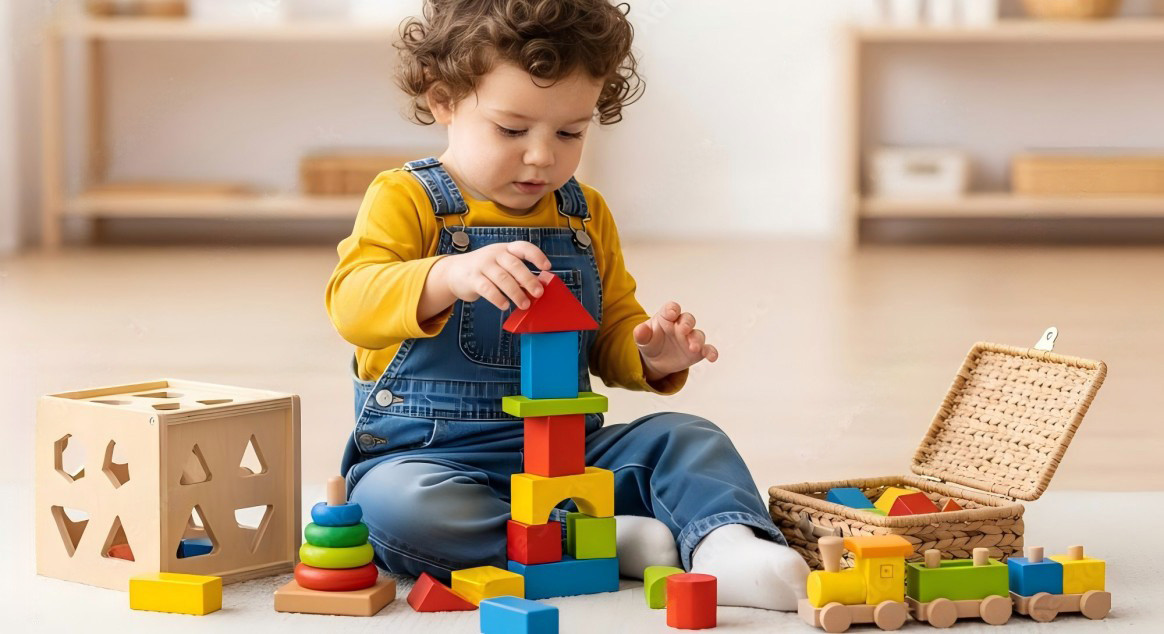
Why Factory Selection Matters for Wooden Toy Buyers
The 12-Point Wooden Toy Factory Checklist
1. Factory Experience
2. Product Development Capability
3. Wood and Material Selection
4. Paint and Finish Control
5. Production Equipment
6. In-Process Quality Control
7. Laboratory Testing, In-House
8. Third-Party Testing
9. Certifications
10. Packaging Capability
11. Production Capacity
12. Export Experience
How to Verify a Manufacturer Before Ordering
Forestoy's Factory and Quality System
Need a Qualified China Wooden Toy Factory?