The Enduring Magic of Wooden Montessori Toys: A Guide to Unlocking Your Child's Potential
In a world overflowing with flashing lights and digital distractions, many parents are seeking a return to purposeful, tangible play. Enter the world of wooden Montessori toys. These are not just playthings; they are carefully designed tools that harmonize with a child's natural development, fostering skills that last a lifetime. From the intricate challenges of a busy board to the simple elegance of stacking blocks, wooden toys offer a unique blend of learning, creativity, and connection to the natural world.
What Sets Wooden Montessori Toys Apart?
Unlike many conventional toys that are designed for passive entertainment, Montessori toys are created with a specific purpose: to empower children to learn on their own. They are typically made from natural materials, with wood being the most popular choice for its durability, safety, and sensory-rich qualities. The design is often simple, encouraging a child to use their imagination rather than being dictated by a toy's pre-programmed functions. This approach is rooted in the belief that children are capable and curious learners who thrive when given the right tools and a supportive environment.
The Philosophy: Learning Through Purposeful Play
The Montessori method champions the idea of hands-on, self-directed learning. Toys, or "materials," are instruments for exploration and discovery. They are designed to isolate a specific concept or skill, allowing a child to achieve mastery through repetition and practice. This purposeful play helps children develop concentration, problem-solving abilities, and a deep sense of accomplishment. A child working with a wooden toy is not just playing; they are conducting an experiment, solving a puzzle, and building their understanding of the world.
Why Wood? The Sustainable and Sensory Choice
Wood is the cornerstone material for Montessori education for several reasons.
- Sensory Experience: Natural wood offers a richer sensory experience than plastic. It has a unique texture, weight, and even a subtle scent that engages a child's senses.
- Durability and Longevity: High-quality wooden toys are incredibly durable and can withstand years of vigorous play, making them a sustainable choice that can be passed down through generations.
- Safety: When finished with non-toxic, water-based paints, wooden toys are a safer alternative to plastic toys, which can contain harmful chemicals like BPA or phthalates.
- Eco-Friendly: Sourced from sustainable forests, wood is a renewable resource, making it a more environmentally conscious choice for your playroom.
Unlocking Fine Motor Skills: The Power of the Busy Board
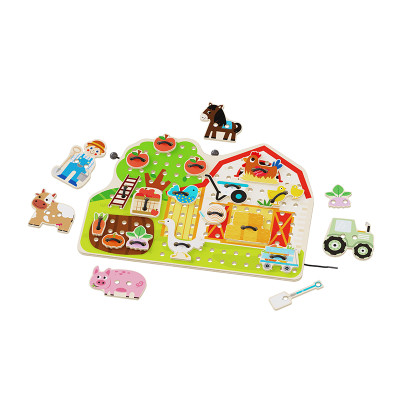
A prime example of a Montessori-inspired wooden toy is the busy board. These boards are loaded with real-world items like latches, switches, gears, and zippers that fascinate toddlers. Manipulating these items provides a powerful workout for the small muscles in a child’s hands and fingers, developing the fine motor skills essential for tasks like writing and buttoning a coat. A busy board turns everyday challenges into an engaging and satisfying game.
A Closer Look at the Busy Cube: 360 Degrees of Discovery
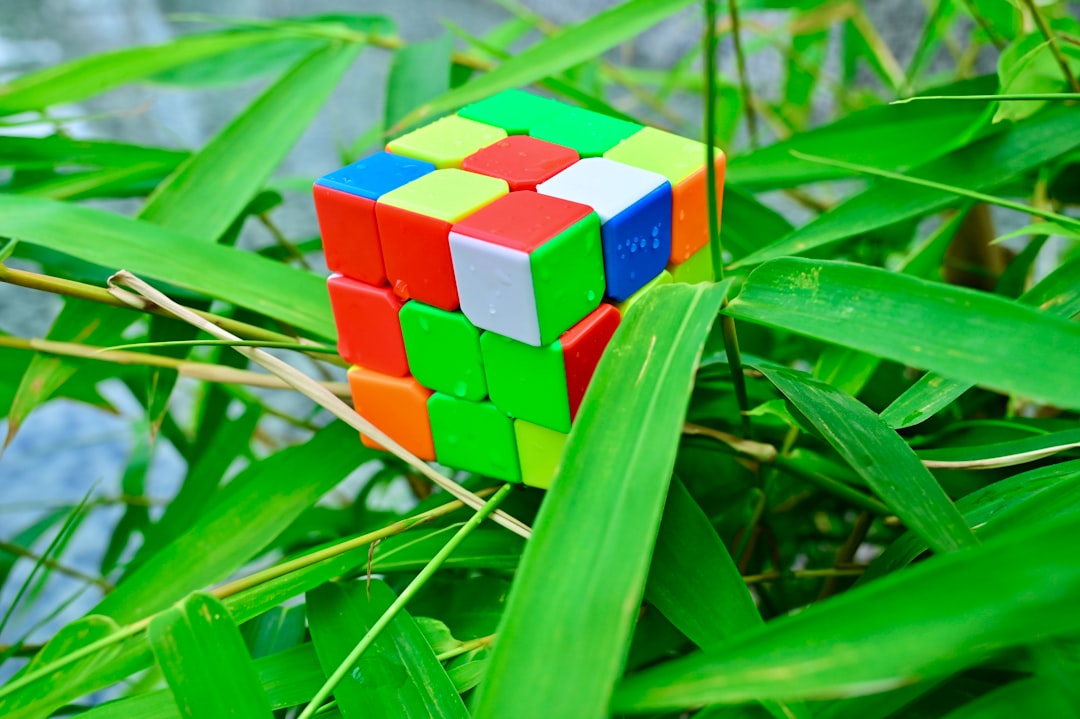
Taking the concept of the busy board a step further, the busy cube offers multiple surfaces of interactive play. With five or six sides packed with activities, a busy cube keeps children engaged for longer periods. One side might feature spinning gears, another a door with a lock and key, and another a set of beads to slide. This multi-faceted design encourages exploration from every angle, boosting cognitive skills, hand-eye coordination, and logical thinking all within one compact toy.
Cognitive Growth: Beyond Just Play
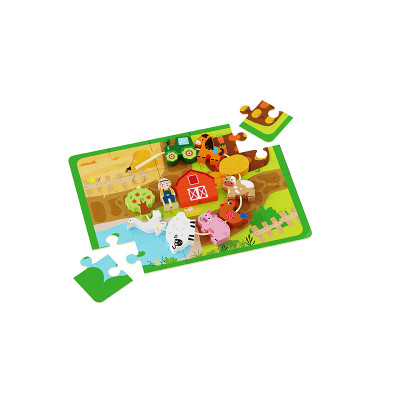
Wooden toys are intentionally designed to foster critical thinking. Without distracting noises or lights, a child must use their own cognitive power to engage with the toy. Simple toys like stacking rings teach concepts of size and order, while puzzles help develop spatial awareness and problem-solving skills. A busy cube with different types of locks challenges a child to think sequentially and understand cause and effect. This type of play builds a strong foundation for future academic learning.
Fostering Independence and Concentration
One of the most significant benefits of Montessori toys is their ability to promote independent play. Because the toys are engaging and self-correcting, children can spend long periods of focused time exploring them without needing constant adult intervention. This builds concentration and self-confidence, as the child experiences the pride of mastering a skill on their own. This independence is a core tenet of the Montessori philosophy, empowering children to become masters of their own learning journey.
Choosing the Right Wooden Montessori Toy for Your Child’s Age
Selecting an age-appropriate toy is crucial for ensuring it is both safe and beneficial. The right toy will challenge a child without causing frustration.
| Age Group | Recommended Wooden Toys | Developmental Focus |
|---|---|---|
| 6-12 Months | Simple puzzles with large knobs, object permanence boxes, stacking rings | Grasping, hand-eye coordination, object permanence |
| 1-2 Years | Busy boards, busy cubes, shape sorters, simple threading toys | Fine motor skills, problem-solving, cause & effect |
| 2-3 Years | More complex puzzles, pattern blocks, play food sets | Imaginative play, matching, early math concepts |
| 3+ Years | Lacing toys, letter and number puzzles, building block sets | Pre-writing skills, literacy, complex problem-solving |
Safety First: What to Look for in a Wooden Toy
Safety is paramount when choosing any toy for your child. For wooden toys, look for the following indicators of quality and safety:
- Solid Hardwood: Opt for toys made from durable hardwoods like beech, maple, or birch, which are less likely to splinter.
- Non-Toxic Finishes: Ensure the toy uses water-based, non-toxic paints and finishes. Reputable companies are transparent about their materials.
- Smooth Edges: Check for a smooth finish with no rough spots or sharp edges.
- No Small Parts: For children under three, ensure there are no small, detachable parts that could pose a choking hazard.
Integrating Wooden Toys into Your Playroom
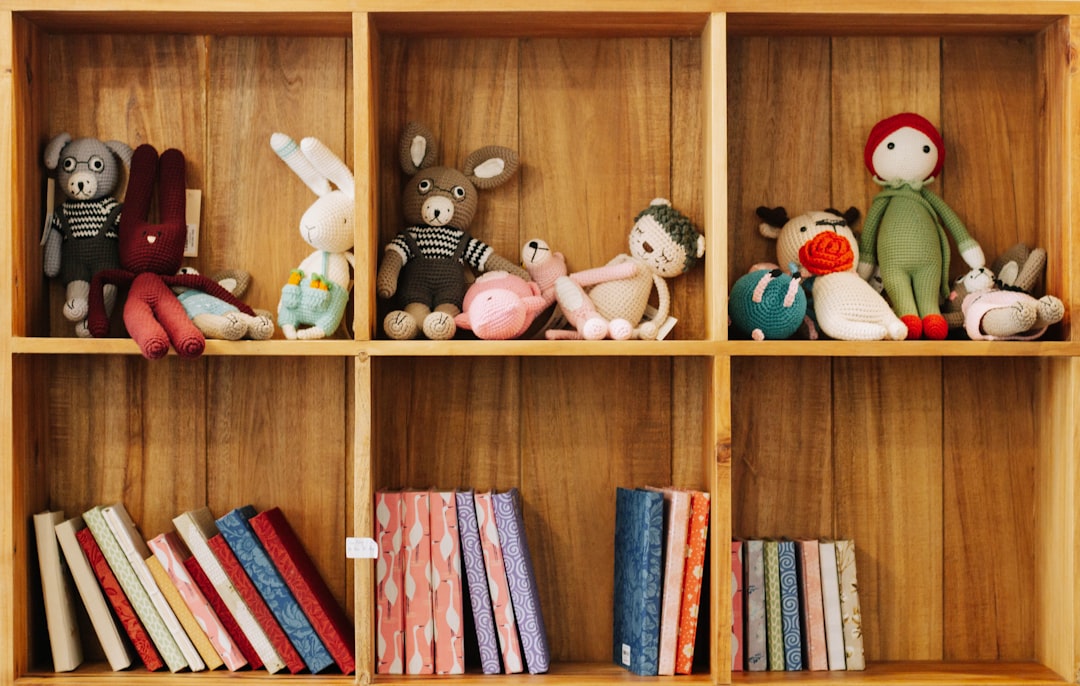
To maximize the benefits of wooden Montessori toys, consider how you present them. It is best to display a limited number of toys on low, open shelves. This creates an inviting, uncluttered environment where a child can easily see their choices and select what interests them. Rotating the toys every few weeks can renew interest and provide new challenges. This thoughtful organization is a key part of creating a Montessori-aligned play space that encourages focused, independent play.
The Lasting Value of Investing in Quality Play
Choosing wooden Montessori toys is an investment in your child's holistic development. These timeless, durable, and purposeful tools foster creativity, critical thinking, and a love for learning that extends far beyond the playroom. By providing your child with toys that respect their intelligence and honor their natural drive to explore, you are giving them the gift of meaningful play and a foundation for lifelong success.