Unlocking Potential: Why Wooden Montessori Toys are an Essential Tool for Your Child's Development
The Timeless Appeal of Wooden Montessori Toys
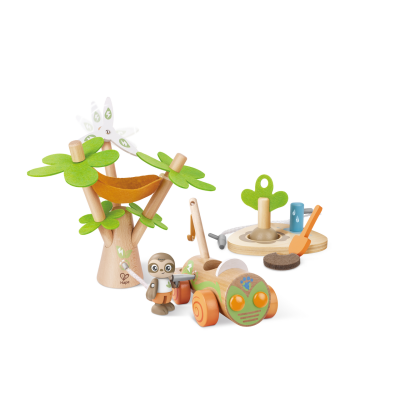
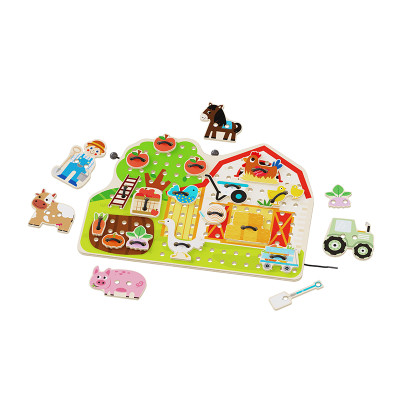
In an age dominated by digital screens and plastic gadgets, the classic wooden toy holds a special, enduring charm. More than just a nostalgic item, wooden Montessori toys are powerful tools designed to support a child's natural development. Their simplicity is their strength; free from flashing lights and electronic sounds, they invite children to power play with their own imagination. These toys are based on the educational philosophy of Maria Montessori, which emphasizes self-directed activity, hands-on learning, and collaborative play. Wooden stacking blocks, rainbow stackers, and shape sorters are not just for building towers; they are foundational instruments for learning about the world.
Fostering Fine Motor Skills Through Hands-On Play
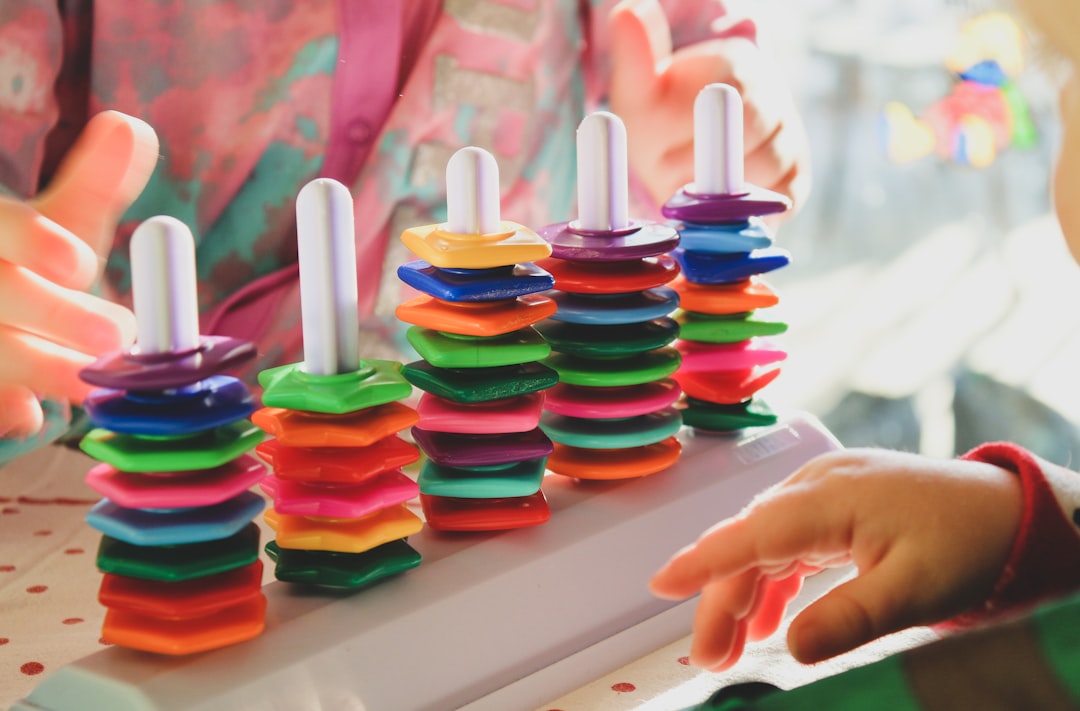
One of the most recognized benefits of playing with wooden blocks and similar toys is the development of fine motor skills. When a toddler grasps, lifts, and carefully places a block, they are strengthening the small muscles in their hands and fingers. This dexterity is crucial for future tasks like writing, buttoning a shirt, or using utensils. The act of balancing one block on another requires a level of precision and control that is a fantastic workout for developing hand-eye coordination. Unlike toys that simply require a button push, wooden toys demand active physical engagement and manipulation.
Cognitive Growth: Building Brains, Not Just Towers
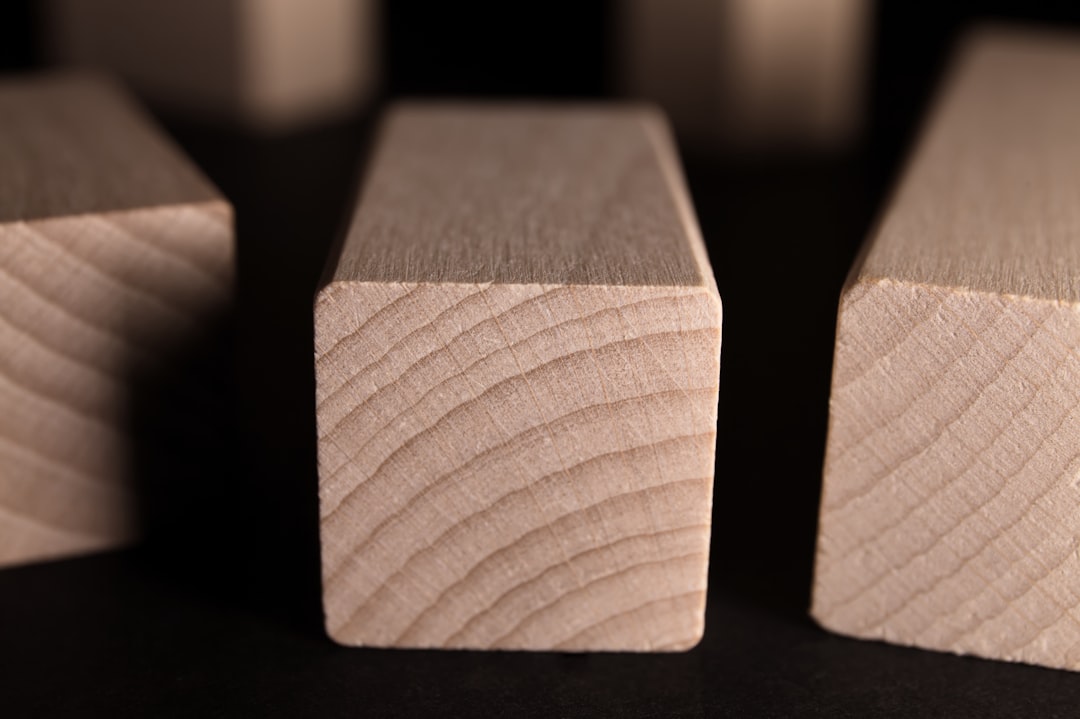
Block play is a significant milestone in a child's cognitive development. As children experiment with building, they are engaging in early scientific thinking and problem-solving. They learn about cause and effect when a tower tumbles and begin to understand concepts of stability and balance through trial and error. This process builds spatial awareness—the ability to understand the relationships between objects in space—which is a critical foundation for future success in STEM fields like mathematics and engineering. Wooden toys encourage logical thought as a child figures out that a larger base is needed for a taller structure.
The Importance of Material: Why Wood is a Superior Choice
When selecting toys for children, the material is a vital consideration for safety and durability. High-quality wooden toys are typically made from sustainably sourced wood like FSC-certified hardwood and finished with non-toxic, child-safe paints and oils. This ensures that even if a baby mouths the toy, they are not exposed to harmful chemicals often found in plastics. Wood is also incredibly durable and less likely to break into small, dangerous pieces. Unlike plastic toys that can crack and fade, wooden blocks can be passed down through generations, making them a more environmentally friendly and sustainable choice.
Igniting Creativity and Imagination
Wooden Montessori toys are inherently open-ended, meaning they can be used in countless ways. A set of blocks is never just one thing; it can become a castle, a car, a spaceship, or a fence for toy animals. This lack of a prescribed function encourages children to use their creativity and imagination to the fullest. This type of play fosters a sense of accomplishment and allows children to express their unique ideas, building confidence and innovative thinking skills that will benefit them throughout their lives.
Learning Social Skills Through Collaborative Play
While block play can be a wonderful independent activity, it's also an excellent tool for social development. When children build together, they learn valuable social skills like sharing, taking turns, and communicating their ideas effectively. They learn to cooperate on a shared goal, negotiate roles, and work as a team to create something larger and more complex than they could alone. This collaborative environment helps build empathy and patience, laying the groundwork for positive social interactions.
A Toy That Grows with Your Child
One of the remarkable qualities of wooden stacking toys is their longevity and versatility. A baby might start by simply holding and exploring the texture of a block. A toddler will progress to stacking two or three blocks, celebrating the joy of building a small tower and knocking it down. Preschoolers will begin creating more complex structures and incorporating the blocks into elaborate pretend-play scenarios. This adaptability ensures that wooden blocks remain a relevant and challenging toy for years, making them a worthwhile investment in a child’s playroom.
Language and Mathematical Skill Development
Playtime with wooden blocks is a fantastic opportunity to build vocabulary and early math skills. Parents and caregivers can introduce words for shapes, colors, sizes (big, small, tall, short), and positions (on top, under, next to). Counting the blocks, sorting them by color, or creating patterns are all simple activities that introduce fundamental mathematical concepts in a fun, hands-on way. This integration of learning and play is a core tenet of the Montessori method.
| Developmental Benefit | Age Group (Approx.) | Example Activity with Wooden Toys |
|---|---|---|
| Sensory Exploration | 6-12 Months | Grasping, mouthing (with safe toys), and banging blocks together. |
| Fine Motor Skills | 1-2 Years | Stacking a few blocks, placing shapes in a sorter. |
| Problem Solving | 2-3 Years | Building taller towers, trial-and-error with balance. |
| Spatial Awareness | 3-4 Years | Creating bridges between two blocks, replicating simple designs. |
| Social Collaboration | 3+ Years | Working with peers to build a large, shared structure. |
| Creativity/Imagination | 4+ Years | Using blocks as props in imaginative storytelling. |
Choosing the Right Wooden Montessori Toys
When selecting wooden toys, look for sets that offer a variety of shapes and sizes to encourage more complex building. Consider classic sets like natural wood unit blocks, colorful rainbow stackers, or shape sorters. Brands that prioritize safety, using FSC-certified wood and non-toxic finishes, are always a reliable choice. While the initial investment might be higher than plastic alternatives, the durability, safety, and developmental benefits make high-quality wooden toys a superior and more valuable addition to any child’s life.
The Lasting Impact of Simple Play
In conclusion, wooden Montessori toys are far more than simple playthings. They are masterfully designed tools that support every facet of a child’s early development. From enhancing fine and gross motor skills to boosting cognitive function, creativity, and social skills, the benefits are immense. By choosing these timeless, durable, and safe toys, you are providing your child with endless opportunities for learning and growth, all powered by their own curiosity and imagination.