Why Wooden Toys Make the Ideal Educational Choice
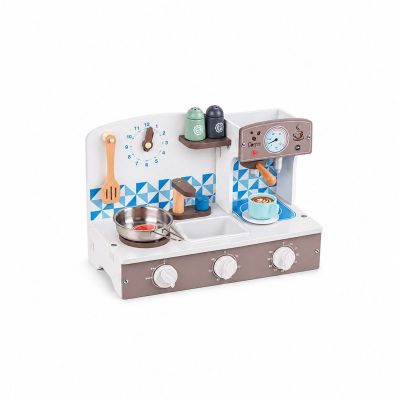
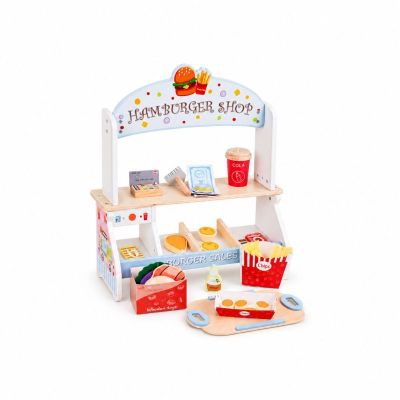
WHY WOODEN TOYS · EDUCATIONAL BENEFITS For more than a century, wooden toys have outlasted every trend in the playroom. In a market crowded with flashing plastic and screen-based gadgets, simple, well-made wood is still what parents, teachers, and developmental psychologists reach for first. This article breaks down, point by point, why wooden educational toys remain the gold standard for early learning — and how to choose pieces that deliver on that promise. Not every toy that claims to teach actually does. A truly educational toy engages the child across cognitive, physical, and social-emotional domains at once — and does it without shortcuts like lights and sound that do the learning for the child. Open-ended wooden toys meet that bar because they leave the outcome to the child: the same set of blocks can be a tower, a road, a counting tool, or a phone in a make-believe game, depending on what the player decides. That flexibility is the entire reason wooden toys have stayed in classrooms for over a hundred years — and the reason a well-designed wooden education toy outlasts three iPads in the same playroom. Each benefit below maps to a specific developmental skill — and to a category of toy we make on our factory floor. Wooden toys are simple and versatile by design — there is no "right" way to use them. Kids explore endless ways to play with the same set of blocks, arcs, and figures, inventing scenarios that no designer planned for. This flexibility nurtures imagination, creativity, and problem-solving as children build, stack, and rewrite their own play scripts without instructions, screens, or scoreboards. Why it matters for development: open-ended play is the highest-value form of play in early childhood — it builds the same executive-function skills that classroom learning later depends on. Wooden toys invite the hands to do real work. Pushing, pulling, stacking, balancing, threading, fitting — every action improves fine motor control and hand-eye coordination. Activities like stacking wooden blocks, fitting shapes in a shape sorter, or turning the chunky knob of a wooden peg puzzle all build grip strength and dexterity, preparing small hands for the most important fine-motor task of all: writing. And it's not only tabletop play. Wooden outdoor toys like climbing structures, balance beams, balance bikes, and throwing games strengthen larger motor patterns, supporting healthy physical growth alongside the small-muscle work happening indoors. Why it matters for development: the hand is the child's first learning instrument. A toy that trains the hand trains the brain. High-quality wooden toys are crafted from sustainably sourced wood — typically beech, maple, birch, pine, or FSC-certified substrates — and finished with non-toxic, odor-free paints, glues, and metal components. Major markets enforce strict testing standards for wooden toys across physical, mechanical, and chemical categories (EN 71 in Europe, ASTM F963 in the US, AS/NZS 8124 in Australia), ensuring they are safe in both design and materials. For a deeper look at the test categories and our own QA process, see our safety and quality control page. Why it matters for development: a child who mouths, chews, and cuddles their toys for years should not be exposed to phthalates, heavy metals, or sharp edges. Wood, finished well, is one of the safest materials in the toy aisle. Wooden toys are sturdy and wear-resistant — far more so than most plastic toys, which fade, crack, and break within a few years of classroom use. A well-made wooden block set or wooden vehicle can be played with daily for a decade, then handed down to a sibling, a cousin, or the next family entirely. That durability is what gives wood its sentimental and educational value at the same time: a toy that survives one childhood becomes an heirloom that carries the next. Why it matters for development: repeated, long-term engagement with a familiar toy deepens mastery. A child who plays with the same blocks for three years invents far richer scenarios than one whose toys turn over every season. Without flashing lights or loud sounds, wooden educational toys create a calm and focused play environment. There is nothing on the toy fighting for the child's attention — the attention stays on the play itself. This is exactly the condition in which deep learning happens, whether the child is sorting shapes, lacing beads, building with wooden blocks, or working through a multi-step puzzle. Why it matters for development: sustained focus is the single strongest predictor of later academic success — and wooden toys are built to be looked at, not listened to. Wooden toys, especially those designed for role-play and group activities, promote cooperation, sharing, and communication. Playing with wooden play kitchens, dollhouses, and craft kits lets children create pretend scenarios where they explore relationships, emotions, and empathy. Role-play with peers is also where children first practice turn-taking, negotiation, and reading another person's feelings. Why it matters for development: empathy and self-regulation are learned skills, and they are learned in sets of three or four children around a single wooden kitchen — not in front of a screen. The natural look and feel of wooden toys foster a real connection to the outdoors. Items like wooden sandboxes, outdoor kitchens, balance bikes, and explorer kits invite children off the couch and into their environment, inspiring curiosity and a lasting love for outdoor play and exploration. By choosing wooden toys, parents and educators give children tools that are not only enjoyable but also support essential skill and value development — a blend of educational benefits, durability, and eco-friendliness that makes wooden toys a lasting choice for fostering learning and growth. Why it matters for development: children who play outdoors develop stronger spatial awareness, lower stress levels, and a more independent sense of self. A side-by-side look at how wooden and plastic toys compare on the things that matter most to families and educators. Match the toy to the child. Below is how our most popular wooden categories map to the developmental windows where they do the most good. Wooden rattles & teethers, smooth grasping rings. The work here is grip strength and texture discovery. Wooden shape sorters, chunky puzzles, push-and-pull vehicles. The work here is fine motor and early geometry. Alphabet blocks, building sets, wooden play kitchens, dollhouses. The work here is early literacy, numeracy, and social role-play. Wooden tool benches, intricate puzzles, craft kits. The work here is STEM thinking and persistence. Wooden board games, 3D builds, indoor gym toys. The work here is planning, teamwork, and family play. Wooden outdoor toys — balance bikes, sand pits, explorer kits. The work here is gross motor and connection to nature. Behind every wooden educational toy on our line is 20+ years of design refinement. We are not a trading company — we manufacture on our own floor, with our own R&D team, advanced CNC cutting, multi-stage sanding, and a final hand-finish on every edge. That is why our toys pass safety audits in the EU, US, and AU on the first try. Beech, birch, pine, maple, and FSC-certified substrates — chosen for grain stability and child-safe finishing. Water-based stains, food-grade oils. No phthalates, no heavy metals, no sharp edges. See our safety and quality control page. Designed for daily classroom use, hand-me-down, and the kind of rough play kids actually give toys. Low MOQ, custom branding, retail-ready packaging. Learn more on our about page. A small sample from our factory line — the same families of toys our wholesale customers reorder every season. 24.5×19.5cm wooden board with chunky knobbed pieces featuring barns, cow, pig, turkey, dog and more — the kind of peg puzzle that survives years of toddler hands. 54×54×33.5cm with barn, train track, pond & music. A centrepiece for shared play in preschools and living rooms. Vibrant colours, durable design, easy-grip pieces — the entry point for shape recognition and fine motor training. If you are a parent looking for the right toy for your child, a teacher building out a classroom, or a retailer sourcing your next season — we are here. Send us a quick message and we will recommend the right wooden education toy line for your age range, your market, and your budget. For a deeper look at why wood beats plastic on durability, safety, and play value, see our learning through play guide.Why Wooden Toys Make the Ideal Educational Choice

What Makes a Toy "Educational" in the First Place?
7 Reasons Wooden Toys Are the Ideal Educational Choice
Encourages Open-Ended Play
Develops Fine Motor Skills and Coordination
Eco-Friendly and Safe
Durable with Long-Lasting Value
Focuses on Learning Over Stimulation
Supports Social and Emotional Skills
Encourages Connection with Nature
Wooden vs. Plastic: A Quick Comparison for Parents
What Matters
Wooden Toys
Plastic Toys
Open-ended play value
High — multiple uses per toy
Low — often single-purpose
Screen-free focus
Yes — no lights or sound
Often — flashing, sound, batteries
Fine motor development
Strong — chunky, weighted, tactile
Variable
Material safety
Non-toxic wood & finishes when sourced well
Depends on plastic & pigment
Eco footprint
Renewable, biodegradable substrate
Petroleum-based, long landfill life
Durability
Years to decades, often heirloom
Often 1–3 years
Hand-me-down value
Excellent — survives multiple children
Often poor — needs frequent replacement
Best Wooden Educational Toys by Age
0–12 months · Sensory & grasp
12–24 months · Sort & stack
3–4 years · Imagine & build
5–6 years · Engineer & create
7+ years · Strategy & cooperate
Outdoor play · Move & explore
Why Parents and Educators Trust FORESTOY Wooden Toys
Sustainably Sourced Wood
Non-Toxic Finishes
Built to Outlast Childhood
Wholesale & OEM Ready
Popular Wooden Educational Toys From FORESTOY

Forestoy Farm Peg Puzzle

Forestoy Wooden Farm Activity Table

Wooden Shape Sorter Box for Toddlers
FAQs About Wooden Educational Toys
Bring Better Wooden Toys to Your Children — or Your Customers